










Det är något extra tillfredsställande med att hitta en designvara som ingen annan just har i varukorgen. Inte för att den är billig, utan för att den har levt ett liv innan den blev din. Secondhandlyx är inte längre en nisch för ett fåtal. Det har blivit en naturlig del av den moderna garderoben, där smak, timing och ett skarpt öga går hand i hand.

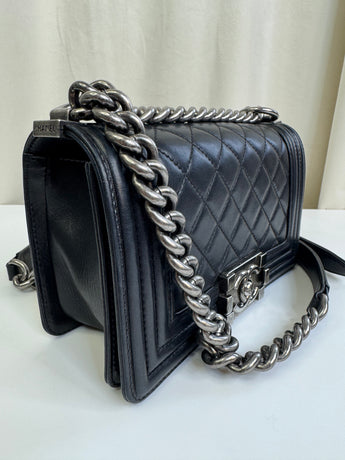
En preloved-väska-med-historia">preloved designerväska, ett par ikoniska klackar eller smycken med historia kan ge din look mer karaktär, mer personlighet och mer värde än ännu ett impulsköp i säsongens snabba trendflöde.
Men det finns en hake. När lyx byter ägare online, följer det också med en risk. Fler konsumenter är osäkra på om det de har köpt faktiskt är äkta, och vissa har upplevt att bli lurade med en förfalskad vara. Det är värt att komma ihåg när ett köp startar med ett snabbt klick och ett "den ser ju fin ut".
Det betyder inte att du ska hålla dig borta. Tvärtom. Det betyder bara att god smak också handlar om gott omdöme. När du köper secondhandlyx är det sällan det lägsta priset som är det bästa köpet. Det bästa köpet är det där äkthet, skick och trygga villkor är på plats.
Varför secondhandlyx har blivit så attraktivt

Det är något mycket chict med att hitta en designervara som inte alla andra just har i varukorgen. Secondhandlyx känns mer kurerat. Mer personligt. Mindre copy-paste. Vi tror att de bästa plaggen redan finns därute och bara väntar på att bli upptäckta igen.
Samtidigt är preloved inte bara smart shopping. Det har blivit en verklig modekanal, och det är en del av anledningen till att vi själva har ett växande utbud av preloved lyx hos Stilkompagniet.
Det ger också mening i garderoben. Du kan blanda nya stilar med lyxfynd och få en look som känns mer exklusiv utan att vara överstylad. En klassisk väska till jeans och blazer. Ett vintagebälte över en enkel klänning. Små detaljer, stor effekt.
Många tar medvetet avstånd från att köpa falska lyxvaror, men när priset på originalet är högt blir frestelsen större. Just därför är secondhand så attraktivt. Du får tillgång till eftertraktade märken på ett mer realistiskt sätt, utan att kompromissa med äktheten.
De viktigaste varningssignalerna vid köp av secondhandlyx
Ett bra köp känns lyxigt. Ett dåligt köp känns lite för snabbt, lite för billigt och lite för oklart. De flesta dåliga köp delar några av samma varningssignaler, särskilt på online marknadsplatser och via sociala annonser.
När något är satt markant under marknadspris, utan ordentlig dokumentation och med svaga betalningsmöjligheter, ska larmet ringa. Inte svagt. Högt. Vi vill hellre varna för tidigt än för sent, för trygghet är hela poängen när man handlar preloved.
- Priset är för bra: En dyr designervara till ett nästan symboliskt pris är sällan ett kap. Det är ofta en signal.
- Bilderna är generiska: Stock photos säger inget om den faktiska varan, dess skick eller om säljaren överhuvudtaget har den.
- Dokumentation saknas: Inget kvitto, inget äkthetscertifikat, inga tydliga bilder på serienummer eller detaljer.
- Säljaren är oklar: Knapphändig profil, få uppgifter, ingen historik eller motsägelsefulla svar.
- Betalningen känns osäker: Önskemål om presentkort, banköverföring, kryptovaluta eller betalning utan köparskydd.
- Returvillkor saknas: Om allt ansvar hamnar hos dig är risken din.
Var också vaksam när sociala annonser lockar med märkesprodukter till extremt låga priser. Vissa slutar med en kopia. Andra slutar med ingenting. Båda är ett nej.
Så här kontrollerar du äktheten vid secondhandlyx
Autenticitet handlar inte om en enskild detalj. Det handlar om helheten. Material, finish, logotyp, sömmar, metallfästen, serienummer, prägling, medföljande delar och säljarens dokumentation måste stämma överens. Det är något vi själva lägger stor vikt vid när vi kurerar vårt preloved-utbud: att skick och äkthet stämmer överens innan en vara kommer in i butiken.
En äkta lyxprodukt känns nästan alltid genomtänkt in i detalj. Lädret har rätt struktur. Metallfästen har tyngd. Sömmarna ser precisa ut. Logotypen är skarp och balanserad. Det betyder inte att varje liten variation är ett bevis på en förfalskning, särskilt inte på äldre varor. Men många små konstiga saker tillsammans? Det är sällan ett gott tecken.
Om du är osäker, leta efter verifierbar äkthet snarare än tomma ord. "Hundra procent äkta" är inte dokumentation i sig själv. Det är bara en mening.
| Kategori | Kontrollera detta | Typiska varningssignaler |
|---|---|---|
| Väskor | Sömmar, metallfästen, logotyp, präglingsstämpel, serienummer, foder | Sned logotyp, lätta metallfästen, ojämn finish, otydliga bilder |
| Skor | Sulor, innersula, storleksmärkning, material, ask | Fel typsnitt, limrester, dålig symmetri, atypisk passform |
| Smycken och accessoarer | Stämplar, lås, vikt, yta, förpackning | Missfärgning, skarpa kanter, billigt lås, tveksamma märkningar |
| Konfektion | Tvättlappar, tygkvalitet, sömmar, etiketter, passform | Ojämna sömmar, fel etikett, tunn kvalitet, konstig storlek |
Det är också värt att titta på hur varan presenteras. Bra återförsäljare visar många bilder av den konkreta varan och beskriver tydligt skick, mått och eventuella bruksspår. Hos Stilkompagniet är det en fast del av hur vi säljer preloved lyx: ett äkthetscertifikat medföljer, och medföljande delar beskrivs tydligt.
Vad bra produktbilder och beskrivningar ska visa
Mode handlar om detaljer. Det gäller ännu mer när varan är begagnad. Du ska kunna zooma in, nästan som om du håller varan i handen.
En seriös annons visar inte bara de fina vinklarna. Den visar också hörn, handtag, dragkedjor, insida, botten, spännen och tecken på slitage. En liten repa är inget problem i sig. Men om den inte nämns, är det ett problem. Transparens är hela poängen.
En stark produktbeskrivning bör ge dig svar på det mesta, innan du frågar. Inte långa romaner. Bara precis och ärlig info.
- Skick: Nytt, mycket fint, gott med bruksspår eller tydligt slitet
- Mått: Höjd, bredd, djup och eventuell remlängd
- Material: Lädertyp, textil, metallfinish
- Medföljer: Dustbag, ask, kvitto, rem, certifikat
- Fel och bruksspår: Repor, missfärgning, slitage i hörn, lösa trådar
Ju mer konkret beskrivningen är, desto enklare är det att bedöma om priset matchar varan. Det är precis här de bästa köpen skiljs från de dyra felköpen.
Betalning och köparskydd vid köp av secondhandlyx online
Även den finaste varan förlorar sin glans om betalningen är osäker. Kreditkort är ofta den starkaste lösningen vid tvister, och det är logiskt. När något går fel är det skönt att det finns en verklig möjlighet till invändning och köparskydd.
Många blir så fokuserade på själva fyndet att de glömmer villkoren. Men returrätt, leveransvillkor, reklamationsprocess och betalningsmetod är en del av lyxköpet. Inte bara det tråkiga tillägget.
Var särskilt uppmärksam på detta innan du betalar:
- Kreditkort
- Säker betalningsgateway
- Tydliga returvillkor
- Spårbar leverans
- Skriftlig orderbekräftelse
- Kontaktuppgifter som faktiskt existerar
Om en säljare pressar på för snabb betalning via banköverföring, presentkort, betalningsapp utan skydd eller kryptovaluta, är det en mycket stark varningssignal. Detsamma gäller om du inte kan hitta verklig information om företaget eller säljarens historik utanför annonsen.
Pris på secondhandlyx: när är ett bra erbjudande för billigt?
Alla älskar ett bra fynd. Men i lyxsegmentet är "för billigt" ofta lika avslöjande som "för slitet".
Priset bör alltid ses i förhållande till modell, skick, ålder, material och efterfrågan. En klassisk väska i populär färg och fint skick håller ofta priset bättre än en säsongsbetonad stil med mycket slitage. Det är ganska grundläggande, men många förbiser det när ett köp känns spännande nog.
Ett lågt pris kan naturligtvis vara äkta. Vissa säljare vill bara snabbt bli av med varan. Men om priset ligger långt under vad liknande varor kostar hos trovärdiga återförsäljare, bör du stanna upp och jämföra. Prisnivån är just en av de tydligaste varningssignalerna.
Titta inte bara på beloppet. Titta på paketet som helhet. Pris plus dokumentation plus skick plus trygg betalning. Det är kombinationen som avgör om varan är ett kap eller en risk i vacker förpackning.
Vilka secondhandlyxvaror är smartast att börja med
Är du ny i preloved-universumet behöver du inte börja med den största investeringen. Faktum är att det ofta är smartast att börja med kategorier där skick och äkthet är lättare att bedöma.
Väskor är ett uppenbart ställe att börja, särskilt klassiska modeller med kända detaljer. Smycken och accessoarer kan också vara bra val när märkningar och kvalitet är tydliga. Skor kan vara knepigare, eftersom passform och slitage är svårare att avläsa online. Ready-to-wear kan vara fantastiskt, men här krävs extra uppmärksamhet på mått och material.
Det bästa första köpet är typiskt sett en vara du faktiskt kommer att använda ofta. Inte bara en vara du har drömt om i åratal, men som slutar med att bo i garderoben, eftersom den är för ömtålig, för glammig eller för opraktisk för din vardag.
Så handlar du secondhandlyx med mer stil och mindre stress
Det är något ganska starkt med att känna sin egen smak. När du inte låter dig styras av hype enbart, handlar du skarpare. Du ser snabbare vad som håller. Vad som passar resten av garderoben. Vad som känns som du.
Börja med en liten strategi. Inte tråkig. Bara smart.
- Satsa på signaturplagg: En väska, ett bälte eller smycken som lyfter många looks
- Tänk i färger: Svart, konjak, creme och djupa jordtoner är lätta att styla Välj kvalitet framför logotyp: Material och finish slår högljudda varumärken varje dag
- Köp för din nuvarande garderob: Inte för en fantasiversion av ditt liv
- Spara plats för statement-fynd: Ett skarpt val kan göra mer än fem halvdana köp
Det är precis där secondhandlyx blir extra intressant. Inte bara som en billigare väg till något dyrt, utan som ett mer medvetet sätt att bygga stil på. Mer kurerat. Mer personligt. Mer du. Vi älskar när en kund hittar just det plagg som får garderoben att falla på plats.
Förfalskningar finns fortfarande därute, och det är en bra påminnelse om varför äkthet aldrig får vara en eftertanke. Så ja, handla gärna med lust, tempo och modehjärta, hos Stilkompagniet eller andra ställen. Bara låt äkthet, dokumentation och säkra villkor vara dina måste-haves, varje gång du klickar hem en lyxfavorit.
Vanliga frågor och svar
Hur kontrollerar jag om en secondhand lyxvara är äkta?
Titta på helheten snarare än en detalj: material, finish, logotyp, sömmar, metallfästen, serienummer och prägling måste stämma överens. Bra återförsäljare visar många bilder av den specifika varan och beskriver tydligt skick, mått och bruksspår, istället för att bara skriva "hundra procent äkta".
Vilka varningssignaler ska jag vara uppmärksam på när jag köper secondhand lyx?
Var skeptisk när en dyr designervara säljs till ett nästan symboliskt pris utan dokumentation, eller när bilderna är generiska stockbilder. Andra varningsflaggor är en otydlig säljarprofil, betalning utan köparskydd och avsaknad av returvillkor.
Hur betalar jag säkert för secondhand lyx online?
Kreditkort är ofta den starkaste lösningen om en tvist uppstår, eftersom det ger en verklig möjlighet att invända. Leta efter en säker betalningsgateway, tydliga returvillkor och spårbar leverans, och säg nej om säljaren pressar på för banköverföring, presentkort eller kryptovaluta.
Vilka secondhand lyxvaror är enklast att börja med?
Väskor är ett uppenbart ställe att börja, särskilt klassiska modeller med kända detaljer. Smycken och accessoarer är också bra val när märkningar och kvalitet är tydliga, medan skor och konfektion kräver extra uppmärksamhet på passform och material, eftersom de är svårare att bedöma online.


